This page was machine-translated from Korean. For medical decisions, please confirm with the hospital.View in Korean

Breast cancer

Korean name: 유방암

Videos about Breast cancer

Selected from official university hospital channels and specialist doctors' channels (in Korean).

유방암, PET으로 치료 방향까지 알 수 있다? 18F-FES PET으로 보는 유방암 정밀진단 / 서울아산병원 핵의학과 한상원

Specialist의학채널 비온뒤

9,767 views

유방암 검진, 유방촬영만 하면 충분할까? / 경희대병원 외과 채수민

Specialist의학채널 비온뒤

13,786 views

현대에 와서 변화된 환경으로 더 늘어난 여성 유방암의 원인│젊은 여성에게 나타나는 유방암 특징│유방암과 싸우는 용감한 여성들│명의│#EBS건강

Public agencyEBS 건강

131,849 views

딸기밭에서 봄을 맞는 소 씨네 세 자매. 언니가 유방암 판정을 받자, 언니 곁에 있어야 한다며 막내동생 미숙 씨까지 내려오면서 세 자매가 뭉치게 됐다. [인간극장] KBS 방송

Public agencyKBS 교양

30,611 views

"유방암, 이제 무서운 병이 아닙니다" (호르몬 양성, 허투 양성, 삼중음성의 모든 것) l 유방내분비외과 이은신 교수

Official hospital고려대학교 안암병원

5,076 views

유방암 전문의가 확인해본 환자 진단서에 대한 생성형 AI의 답변 I 국립암센터 유방암센터 이근석, 이시연 교수

Public agency국립암센터

3,982 views

유방암 수술에 관한 모든 것 I 국립암센터 유방암센터 한재홍 교수

Public agency국립암센터

36,814 views

유방암 수술하는 의사의 하루|환자를 기억하는 유방외과 강은혜 교수

Official hospital서울대병원tv

29,694 views

암 선고 후, 전 재산 털어 지었다. 살기 위해 집을 통째로 갈아엎었더니|콘크리트를 떠나 숲속 목조 주택으로 들어간 부부|중목구조 주택의 장점|건축탐구 집|#골라듄다큐

Public agencyEBSDocumentary (EBS 다큐)

79,400 views

내 삶을 지켜줄 6대 암검진ㅣ국가암검진, 왜 받아야 할까?

Public agencyEBSDocumentary (EBS 다큐)

7,374 views

유방암 항암치료 중 이것만은 꼭 알아야 한다! ep4.유방암 항암치료 | #유방암 #내가슴을부탁해

Official hospital서울대병원tv

57,495 views

[본방종합] 호르몬·HER2·삼중음성 등 유방암 4가지 유형과 맞춤형 치료법 정리 I KBS 생로병사의 비밀 20260819 방송

Public agencyKBS 생로병사의 비밀

78,095 views

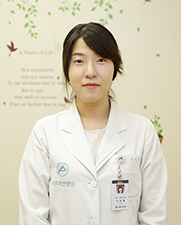
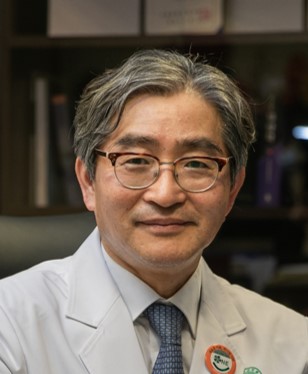
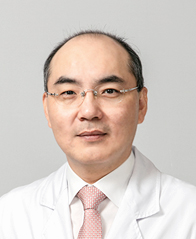
Doctors who treat Breast cancer

Disease Description (Causes and Symptoms)

  • Definition: A malignant neoplasm arising from the epithelium of the mammary ducts or lobules (breast cancer). It develops through the combined effects of genetic, hormonal, and environmental factors.
  • Main causes and risk factors: Age (risk increases after the 40s), family history (breast cancer in a first-degree relative), early menarche (e.g., before age 14), late menopause (e.g., after age 50), no childbirth or late first full-term childbirth, no history of breastfeeding, obesity, and a Westernized high-calorie, high-fat diet. Some cases are associated with genetic mutations such as BRCA1/2.
  • Pathophysiology (summary): Genetic mutations in ductal or lobular epithelial cells disrupt the regulation of growth and division, leading to tumor formation. The status of estrogen and progesterone receptors (ER/PR) and whether HER2 is expressed play important roles in determining treatment and prognosis.
  • Main symptoms:
    • A palpable lump in the breast (often painless)
    • Nipple discharge (which may be bloody)
    • Enlarged axillary lymph nodes (a lump in the armpit)
    • Dimpling, redness, or swelling of the breast skin (findings of inflammatory breast cancer)
    • Breast pain is relatively nonspecific

Treatment Methods and Precautions

  • Basic treatment principles: Individualized multidisciplinary treatment (surgery, radiation therapy, and systemic therapy) is planned according to the stage (whether localized or metastatic), histologic type, hormone receptor status, and HER2 status.
  • Surgery:
    • Breast-conserving surgery (partial mastectomy) + radiation therapy: Considered preferentially when the ratio of tumor size to breast size is acceptable.
    • Total mastectomy (removal of the entire breast): Selected when the extent of the lesion is broad or when there is a risk of recurrence, among other circumstances.
    • Lymph node evaluation: Begins with sentinel node biopsy; if metastasis is confirmed, axillary lymph node dissection is performed.
    • Breast reconstruction: Immediate or delayed reconstruction is possible (using implants or autologous tissue).
  • Radiation therapy:
    • Standard treatment after breast-conserving surgery. Adjuvant radiation therapy is considered for high-risk patients after total mastectomy.
    • Side effects: Skin reactions, fatigue, localized swelling, and, rarely, long-term complications.
  • Systemic therapy:
    • Chemotherapy (to shrink the tumor before treatment [neoadjuvant therapy] or as adjuvant therapy after surgery)
    • Hormone therapy: Tamoxifen (with consideration of premenopausal or postmenopausal status) or aromatase inhibitors (after menopause) is used in patients who are ER/PR-positive.
    • Targeted therapy: For HER2-positive cases, anti-HER2 treatment such as trastuzumab is used (a key component of breast cancer treatment).
    • Recent targeted and immunotherapies (e.g., CDK4/6 inhibitors, PIK3CA-targeted agents, and immune checkpoint inhibitors) are used for certain subtypes and conditions.
  • Supportive care and rehabilitation:
    • Management of nausea and vomiting and fatigue caused by chemotherapy, and prevention of infection (e.g., G-CSF in cases of leukopenia)
    • Prevention and management of lymphedema (exercise, compression, skin care, and weight management)
    • Osteoporosis management: When using aromatase inhibitors, bone mineral density monitoring and calcium and vitamin D supplementation; antiresorptive agents may be considered when necessary
  • Main precautions/complications:
    • Lymphedema (swelling of the arm after surgery or radiation therapy)
    • Bone marrow suppression, hair loss, nausea, and cardiotoxicity related to chemotherapy and targeted therapy (especially anthracyclines and trastuzumab) — cardiac function monitoring is necessary
    • Tamoxifen: Increased risk of thrombosis and endometrial cancer (regular gynecologic examinations are recommended)
    • Aromatase inhibitors: Joint pain and osteopenia
    • Radiation-related skin reactions and fatigue

Checkpoints Before an Outpatient Visit (Including Example Questions)

  • Items/documents to prepare or submit:
    • A list of all medications currently being taken (including prescription and nonprescription drugs, herbal medicines, and supplements)
    • Past medical history and surgical history, and family history (especially breast or ovarian cancer)
    • Recent mammography, breast ultrasound, biopsy results and reports, and surgical or treatment records (if available)
    • Menstrual and menopausal status (last menstrual period, follicle-stimulating hormone status, etc.) and pregnancy plans (if of childbearing age)
    • Weight and height (whether obese), and lifestyle habits (smoking, alcohol consumption, and exercise)
  • Symptom records to tell the doctor during the outpatient visit:
    • The lump's size, when it was discovered, and whether it has changed; nipple discharge (color and amount); breast skin changes; and whether pain is present
    • Systemic symptoms (fever, weight loss, shortness of breath, etc.)
  • Example questions (questions the patient should prepare in advance to ask the doctor):
    • "Do I need to stop any of the medications I am currently taking?"
    • "What are the main findings identified in my current test results (imaging and biopsy)?"

General Example Questions to Ask the Doctor

  • What is the goal of this medication (or treatment), and what side effects are expected?
  • What is the stage of my cancer, and what is the prognosis? How will regular follow-up be conducted?
  • What lifestyle guidelines should I follow to prevent lymphedema after surgery?
  • If pregnancy or fertility preservation is needed, what options (such as sperm or egg preservation and ovarian suppression) should be considered?

Examples of Disease-Specific Questions

  • What are the hormone receptor (ER/PR) and HER2 statuses of my cancer? How will these results affect future treatment (hormone therapy and targeted therapy)?
  • If the sentinel lymph node biopsy result is negative, is additional axillary dissection unnecessary? If I want reconstructive surgery, how will the timing and method be determined?

(Note: The information above has been compiled for general educational purposes. Decisions regarding an individual's diagnosis and treatment should be made in consultation with the treating medical team, taking into account the stage, histologic findings, and overall condition.)

Patient stories: Breast cancer

More (Korean)

Posts are written in Korean. Tap Translate to read them in English.

Hospitals that treat Breast cancer

University hospitals where the doctors above see patients. Open a hospital to see its doctors by specialty and how to book.

Other conditions in Breast Surgery

Conditions

Frequently asked questions

Which specialty treats Breast cancer?
Breast cancer is usually treated in Breast Surgery.
Which doctors in Korea treat Breast cancer?
University hospital doctors who treat Breast cancer include Noh U-cheol, Kim Jin-seong, Kim Hui-jeong and Lee Sae-byeol.
Find Breast Surgery doctors

Reviewed by · GoodDoctorNet medical specialists

This information is for general understanding only and does not replace diagnosis, prescription or treatment for an individual patient. If you have symptoms, please see a doctor.

Our medical content policy (in Korean) →