This page was machine-translated from Korean. For medical decisions, please confirm with the hospital.View in Korean

Atopic dermatitis

Korean name: 아토피성 피부염

Videos about Atopic dermatitis

Selected from official university hospital channels and specialist doctors' channels (in Korean).

집에서 할 수 있는 아토피 피부염 관리법 총정리! / 서울대학교병원 피부과 이동훈

Specialist의학채널 비온뒤

25,042 views

[정진호쇼, 젊어지는 피부 건강한 피부] 아토피피부염의 증상과 치료 / 서울대병원 피부과 정진호

Specialist의학채널 비온뒤

941 views

새로운 치료제의 등장으로 아토피 피부염 환자들이 치료 선택지가 많아졌지만, 높은 비용 때문에 걱정이 앞서는데... (KBS 20230628 방송)

Public agencyKBS 생로병사의 비밀

57,708 views

피가 나도록 벅벅‼️ 극심한 가려움, 아토피 피부염 | 악화 원인, 치료 방법, 일상 속 관리법 | Dr.log (ENG)

Official hospital고대병원

18,560 views

[PEOPLE in 세브란스] 아토피 피부염을 쉽게 이겨내는 4가지 방법

Official hospital세브란스

166,373 views

폐활량 감소부터 아토피 피부염, 천식, 미숙아 출산까지 초미세먼지가 인체에 미치는 의학적 영향 I KBS 시사기획 창 20130521 방송

Public agencyKBS 생로병사의 비밀

11,771 views

가려움의 악순환, 어떻게 끊을까? 성인 아토피 다양한 치료법 총정리

Official hospital삼성서울병원

10,894 views

환절기 피부 트러블💦 혹시 접촉성 피부염?! | 피부과 김제민 교수 | 무엇이든 물어보세용 | 용인세브란스병원

Official hospital용인세브란스병원

18,960 views

아토피 초기 증상, 어떤 형태로 나타날까? (아토피 증상 사진)

General위드유TV

17,124 views

🔊 알.자.내.몸! 일타강사 [아토피피부염 편]

Public agency질병관리청 아프지마TV

1,132 views

EBS 명의가 알려주는 건선의 모든 것! ‘건선’과 ‘건조한 피부’ 그리고 ‘아토피 피부염’ 구분법은? 피부과 이은소 교수 [아주대병원TV]

Official hospital아주대병원TV

115,989 views

아토피피부염, 원인과 치료!

GeneralSBS STORY

5,029 views

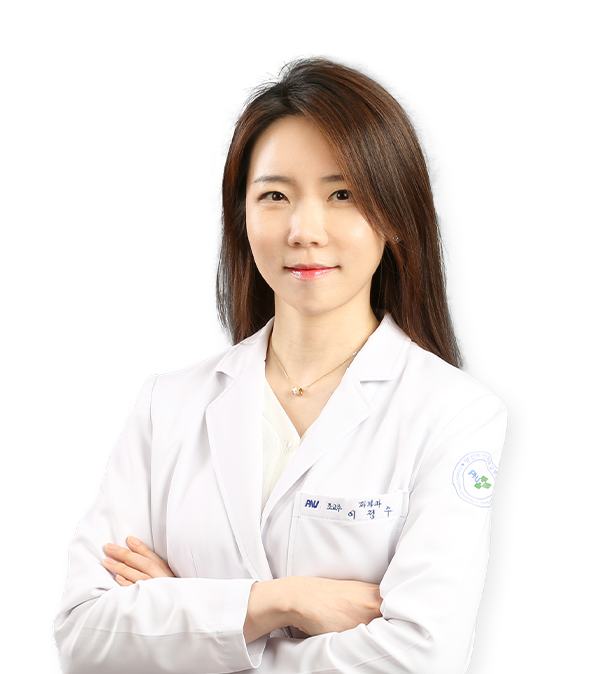
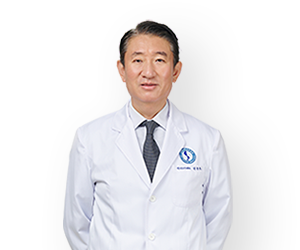
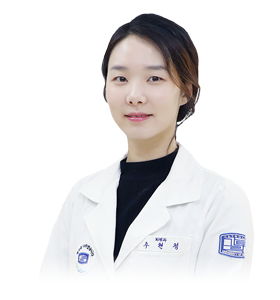
Doctors who treat Atopic dermatitis

Disease Description (Causes and Symptoms)

  • Definition: Atopic dermatitis is a chronic, recurrent inflammatory skin disease characterized by severe itching and impaired skin barrier function. It commonly begins in childhood, and in some people it persists into adulthood.
  • Causes and pathophysiology: Genetic predisposition (family history), skin barrier defects (e.g., filaggrin deficiency), immunologic abnormalities (Th2-dominant response and increased IgE), and environmental factors (allergens, air pollution, changes in dietary habits, etc.) act together. The itch → scratching → skin damage → worsening inflammation and infection cycle is the key mechanism.
  • Main symptoms: Severe itching (especially at night), dryness, scaling, lichenification (thickening of the skin), erythema, vesicles, and exudation (during acute phases); the locations of eczematous lesions vary by age (infants: face, scalp, and trunk; children: flexural areas such as the arms and behind the knees; adults: hands, neck, arms, and legs, etc.).

Treatment Methods and Precautions

  • Basic principles: Elimination of triggers, moisturizing the skin and restoring the skin barrier, and controlling itching, inflammation, and secondary infections.
  • Topical treatment
    • Moisturizers (emollients): Apply generously several times a day (application immediately after bathing is important).
    • Topical corticosteroids: Essential for controlling acute inflammation. Adjust the potency and method of use according to the doctor’s instructions (be aware of side effects such as skin atrophy with long-term or extensive use).
    • Topical calcineurin inhibitors (tacrolimus, pimecrolimus): Used on the face and flexural areas or as an alternative for long-term therapy.
  • Systemic treatment (severe or refractory cases)
    • Immunosuppressants such as cyclosporine, methotrexate, azathioprine, and mycophenolate (monitoring required: blood pressure, kidney function, liver function, blood tests, etc.).
    • Biologics: Dupilumab (IL-4/IL-13 inhibitor) — effective for moderate-to-severe chronic atopic dermatitis.
    • JAK inhibitors (e.g., upadacitinib, abrocitinib, etc.): Recently used for moderate-to-severe atopic dermatitis in adults; monitoring is necessary in consideration of risks such as thrombosis, infection, and increased lipid levels.
    • Phototherapy (especially NB-UVB): May be considered instead of or alongside systemic medications.
  • Treatment of infections
    • Secondary bacterial infections (such as Staphylococcus aureus): Appropriate topical or systemic antibiotics.
    • Antiviral agents for viral infections such as herpes simplex.
  • Adjunctive therapies
    • Antihistamines (for the purpose of relieving itching, improving sleep, etc.), wet wraps (wet-wrap therapy), and others.
  • Precautions and risk of complications
    • Long-term use of high-potency topical steroids may cause skin atrophy, pigment abnormalities, and dilation of blood vessels. Apply the minimum effective dose, alternating the application sites.
    • Monitoring for infection and liver, kidney, and blood abnormalities is necessary when using systemic immunosuppressants or biologics.
    • Eye complications (such as atopic conjunctivitis and cataracts) may occur; evaluation is necessary if ocular symptoms develop.
    • Treatment is determined individually according to factors such as age, lesion location, severity, and accompanying allergies, so consultation with a specialist is recommended.

Checklist Before an Outpatient Visit (Preparation and Tests)

  • Items to bring or prepare
    • A list of all medications and supplements currently being taken (including dosage and dosing intervals).
    • Records of previous treatments (product names, duration of use, effects, and side effects).
    • Recent blood or skin test results, if available.
    • Photos of symptoms (especially when a rash is present), and a diary of itching, redness, worsening, and improvement (when and after which factors symptoms worsened).
    • Family history (atopic dermatitis, asthma, allergic rhinitis, etc.) and personal allergy history (food and medications).
    • Information about lifestyle (occupation, pets, home environment, cosmetics and detergents used).
    • Whether pregnancy is possible (women); for children, information about breastfeeding and the infant’s or young child’s diet.
  • Items the doctor may ask about during the visit
    • When symptoms began and their course (patterns of worsening and improvement).
    • The severity of itching (whether it interferes with sleep), and the distribution and changes of the rash.
    • Recently used treatments and responses, and previous medication side effects.
    • Whether there have been recent infections (fever, impetigo, etc.).

Examples of General Questions to Ask the Doctor

  • What are the main side effects of this medication, and when should they be reported?
  • How do you determine whether my (or my child’s) symptoms are moderate or severe?
  • What ingredients should a moisturizer contain, and how many times a day and how should it be applied?
  • What is the safe method of using topical steroids (potency, duration, and application site)?
  • Are biologics (dupilumab) or JAK inhibitors appropriate in my case? Are tests or monitoring necessary?

Examples of Condition-Specific Questions

  • In a child’s case, what tests are needed to determine whether a food allergy is causing worsening atopic dermatitis, and when is dietary restriction recommended?
  • If there are recurrent skin infections (e.g., impetigo), what measures should be taken for prevention? (e.g., cleansing methods, use of topical antimicrobials, etc.)

End.

Hospitals that treat Atopic dermatitis

University hospitals where the doctors above see patients. Open a hospital to see its doctors by specialty and how to book.

Other conditions in Dermatology

Conditions

Frequently asked questions

Which specialty treats Atopic dermatitis?
Atopic dermatitis is usually treated in Dermatology.
Which doctors in Korea treat Atopic dermatitis?
University hospital doctors who treat Atopic dermatitis include Han Tae-yeong, Lee Jeong-su, Jang Yun-seok and Nam Dong-ho.
Find Dermatology doctors

Reviewed by · GoodDoctorNet medical specialists

This information is for general understanding only and does not replace diagnosis, prescription or treatment for an individual patient. If you have symptoms, please see a doctor.

Our medical content policy (in Korean) →