
This page was machine-translated from Korean. For medical decisions, please confirm with the hospital.View in Korean
Conditions treated
- Neuro-ophthalmology (diplopia, optic neuritis, nystagmus, etc.)/strabismus/ocular motility disorders
- Pediatric ophthalmology (strabismus, amblyopia, pediatric cataracts, pediatric glaucoma, etc.)
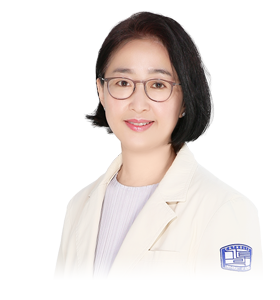
Professor Shin Seon-yeong is a warm physician who inspires trust and reassurance in patients through specialized clinical expertise in high myopia treatment and careful explanations.
Hospital information
- Hospital
- Seoul St. Mary's Hospital, Catholic University of Korea
- Address
- 222 Banpo-daero, Seocho-gu, SeoulOpen in Google Maps
Education
- 1991–1997 Bachelor of Medicine, Hanyang University
- 1998–2000 Master of Ophthalmology, Hanyang University
- 2001–2003 Doctor of Ophthalmology, Hanyang University
Career
- 2002–2007 Chief of Ophthalmology/Assistant Professor, Hanyang University Guri Hospital
- 1998–2002 Ophthalmology Resident, Hanyang University Hospital
- 1997–1998 Intern, Department of Education and Research, Hanyang University Hospital
Academic societies & awards
- Present–Present Executive Director overseeing the Pediatric and Adolescent Myopia Research Society
- Present–Present Executive Director overseeing myopia, Korean Association for Strabismus and Pediatric Ophthalmology
- Present–Present Author of Korean Myopia Treatment Guidelines
- Present–Present Policy Director, Korean Association of Neuro-Ophthalmology
Frequently asked questions
- What conditions does Shin Seon-yeong treat?
- Shin Seon-yeong treats Neuro-ophthalmology (diplopia, optic neuritis, nystagmus, etc.)/strabismus/ocular motility disorders and Pediatric ophthalmology (strabismus, amblyopia, pediatric cataracts, pediatric glaucoma, etc.).
- Where does Shin Seon-yeong see patients?
- Shin Seon-yeong sees patients in Ophthalmology at Seoul St. Mary's Hospital, Catholic University of Korea. 222 Banpo-daero, Seocho-gu, Seoul
- How do I book an appointment with Shin Seon-yeong?
- Book through the hospital website or by phone (1588-1511). Large university hospitals usually need a referral letter from a local clinic for National Health Insurance to apply.