Vasculitis

Also known as: 혈관염 거대세포 혈관염, 과민성 혈관염, 다발성 결절성 혈관염, 혈관염증

Rheumatology doctors

Learn about Vasculitis in videos

Show more

Picked from official university hospital channels and specialists' channels. Videos are in Korean.

[내몸에닥터] 혈관염인가요? (류마티스와 피부질환) / 한양류마유내과 유현승

Specialist의학채널 비온뒤

14K views

현재 내 만성염증 수치 얼마인지 확인하는 법ㅣ만성염증 싹 없애는 식단과 운동ㅣ이승훈 교수님ㅣ닥터딩요

Specialist닥터딩요

498.9K views

[TV메디컬 약손] 832회 혈관염

Public agency대구MBC Program

7K views

[PEOPLE in 세브란스] ANCA 연관 혈관염 치료의 새 시대를 열다!

Official hospital세브란스

17.4K views

[염창환의 비타민 이야기] 비타민 C를 통한 혈관질환 치료 / 염창환병원 염창환

Specialist의학채널 비온뒤

333.6K views

내 혈관 죽이고 있는 이것부터 고쳐야 합니다ㅣ천연위고비 우창윤 선생님ㅣ닥터딩요

Specialist닥터딩요

189.2K views

ANCA 혈관염, 방치하면 투석까지?ㅣ대한신장학회

Specialist내 신장이콩팥콩팥

1.3K views

Pauci-Immune: 혈뇨+관절염에 천식같은 증상뒤엔 암보다 무서운 질병이..

Specialist조동혁의100세 건강시대

3.5K views

[ENG/류마티스내과] 혈관염의 증상과 혈관 크기에 따른 분류

Specialist류마티비 - 아산본 류마티스내과

14.1K views

[ENG/류마티스내과] 피부염과 혈관염의 차이, 혈관염 치료 방법

Specialist류마티비 - 아산본 류마티스내과

11.9K views

혈관에 쌓인 염증 쑥! 낮추는 특급 비법 [좋은 것 vs 나쁜 것]

Official hospital분당서울대학교병원

52.3K views

ANCA 혈관염 치료는 이렇게!ㅣ대한신장학회

Specialist내 신장이콩팥콩팥

759 views

Doctors who treat Vasculitis

See all
Seoul National University Hospital Park Jin-gyun

Park Jin-gyun

Seoul National University Hospital · Rheumatology

혈관염, 타카야수 동맥염, 베체트병, 열(발열), 류마티스 관절염, 강직성 척추염, 루푸스, 피부근염, 전신경화증, 통풍, 퇴행성 관절염, 다발성 근염 및 피부근염

5.0
Yonsei University Severance Hospital Lee Sang-won

Lee Sang-won

Yonsei University Severance Hospital · Rheumatology

ANCA연관혈관염 (ANCA-associated vasculitis) : 미세다발혈관염(microscopic polyangiitis/MPA),육아종증다발혈관염 (granulomatosis with polyangiitis/GPA),호산구육아종증다발혈관염 (eosinophilic granulomatosis with polyangiitis/EGPA),결절다발동맥염 (polyarteritis nodosa/,PAN),타카야수동맥염 (Takayasu arterit
5.0
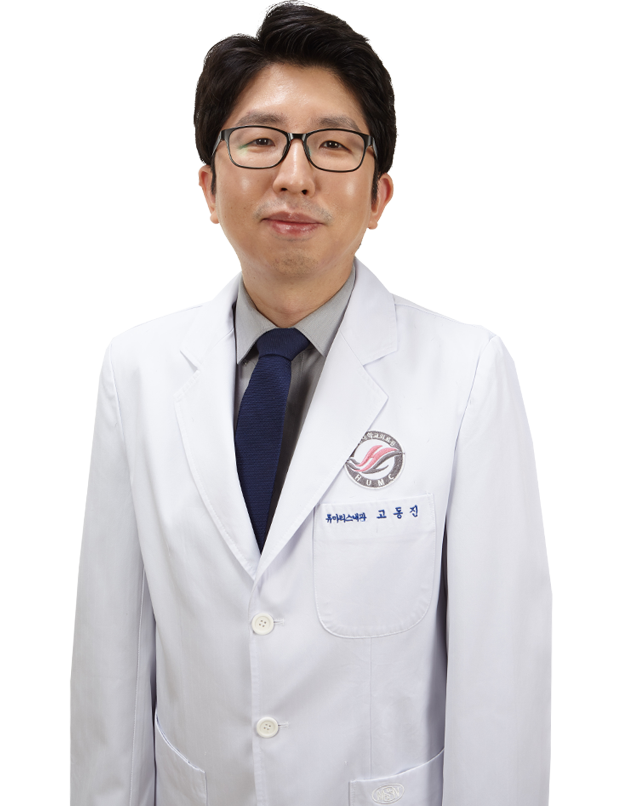
Hallym University Gangnam Sacred Heart Hospital Ko Dong-jin

Ko Dong-jin

Hallym University Gangnam Sacred Heart Hospital · Rheumatology

류마티스관절염, 퇴행성 관절염, 통풍, 강직성척추염, 전신홍반성루푸스, 쇼그렌증후군, 피부근염, 혈관염, 베체트병, 만성구내염, 섬유근통, 기타자가면역질환

5.0
Eunpyeong St. Mary's Hospital, Catholic University of Korea Yoon Jong-hyeon

Yoon Jong-hyeon

Eunpyeong St. Mary's Hospital, Catholic University of Korea · Rheumatology

류마티스관절염, 강직척추염, 통풍, 골관절염, 루푸스, 쇼그렌증후군, 혈관염, 베체트병, 경피증, 레이노증 기타 자가면역질환

Eunpyeong St. Mary's Hospital, Catholic University of Korea Lee Jin-hui

Lee Jin-hui

Eunpyeong St. Mary's Hospital, Catholic University of Korea · Rheumatology

류마티스관절염, 강직척추염, 통풍, 골관절염, 루푸스, 쇼그렌증후군, 혈관염, 베체트병, 경피증, 레이노증 기타 자가면역질환

Kangwon National University Hospital Moon Gi-won

Moon Gi-won

Kangwon National University Hospital · Rheumatology

류마티스관절염, 통풍, 루푸스, 섬유근통, 레이노증후군, 관절염, 강직성척추염, 베체트병, 혈관염, 경피증, 쇼그렌증후군

Konkuk University Hospital Kim Hae-rim

Kim Hae-rim

Konkuk University Hospital · Rheumatology

희귀질환클리닉, 류마티스질환, 관절염, 척추염, 루푸스, 전신성경화증, 쇼그렌증후군, 통풍, 베체트병, 사포증후군, 건선관절염

Konkuk University Hospital Min Hong-gi

Min Hong-gi

Konkuk University Hospital · Rheumatology

희귀질환클리닉, 류마티스관절염, 루푸스, 강직성척추염, 건선관절염, 쇼그렌증후군, 퇴행성관절염, 베체트병, 혈관염

Konyang University Hospital Jung Cheong-il

Jung Cheong-il

Konyang University Hospital · Rheumatology

류마티스관절염, 강직성척추염, 루프스, 섬유근통, 통풍, 골관절염, 희귀질환

Konyang University Hospital Kwon Mi-hye

Kwon Mi-hye

Konyang University Hospital · Rheumatology

류마티스관절염, 강직성척추염, 루프스, 섬유근통, 소아류마티스관절염, 희귀질환

Disease Description (Causes and Symptoms)

  • Definition: A group of diseases in which inflammation develops in the walls of blood vessels. Symptoms and prognosis vary depending on the location of the inflammation (large, medium, or small vessels). Causes include autoimmune reactions, infections, malignancies, and drug-induced reactions; in many cases, immune mechanisms are involved.
  • Pathophysiology summary: When inflammation develops in the vessel wall, the vessel lumen may narrow or become blocked, and vascular leakage can cause bleeding and edema. When capillaries or small venules are involved, palpable purpura is common, and in severe cases, organ ischemia or bleeding (in the kidneys, gastrointestinal tract, lungs, nervous system, etc.) may occur.
  • Main symptoms: Fever, generalized fatigue, joint pain, skin spots and petechial bleeding (purpura), abdominal pain, bloody stools, and black stools (gastrointestinal involvement), hematuria and proteinuria (kidney involvement), respiratory symptoms (cough, hemoptysis, pulmonary hemorrhage), neurological symptoms (paralysis, sensory disturbances), and orchitis (testicular pain) has been reported in children.

Treatment Methods and Precautions

  • Basic principles: Treatment is determined according to the cause and severity of the inflammation and the organs involved. The goals are to relieve symptoms and prevent organ damage.
  • Drug therapy (general standard)
    • Mild cases (skin lesions only, etc.): Conservative treatment (rest, topical treatment) and consideration of nonsteroidal anti-inflammatory drugs (for pain control).
    • Moderate to severe cases (abdominal pain, kidney involvement, respiratory tract bleeding, etc.): Oral or intravenous corticosteroids (e.g., prednisolone/prednisone).
    • If corticosteroids are insufficient or in cases of relapse or severe disease: Immunosuppressants (such as cyclophosphamide, azathioprine, methotrexate, and mycophenolate) may be used.
    • For specific mechanisms or diseases, biologic agents (e.g., rituximab) or IVIG may be indicated.
    • In acute severe complications (rapid deterioration of kidney function, pulmonary hemorrhage, etc.), plasmapheresis or intensive care may be necessary.
  • Children (e.g., IgA vasculitis/Henoch–Schönlein purpura): The natural course is generally favorable, and conservative treatment is prioritized; corticosteroids may be considered in cases of severe abdominal pain or kidney involvement.
  • Lifestyle management and preventive measures
    • Infection prevention: The risk of infection increases during immunosuppressive treatment, so wash your hands, seek prompt medical attention for acute infections, and receive vaccinations when necessary (completion of possible vaccinations before starting immunosuppression is recommended; live vaccines are contraindicated during immunosuppression).
    • Check for possible drug-induced causes: Recently taken medications (such as antibiotics, antipyretics, and anticoagulants) may be the cause, so consult a doctor about discontinuing or changing them.
  • Precautions (including the risk of complications)
    • Kidney involvement (glomerulonephritis) → may progress to chronic kidney failure (regular urine and kidney function tests are necessary).
    • Severe gastrointestinal bleeding, intestinal perforation, pulmonary hemorrhage, and central nervous system involvement are emergencies requiring immediate treatment.
    • With long-term use of corticosteroids or immunosuppressants, side effects such as infections, osteoporosis, hyperglycemia, and weight gain require management (including osteoporosis prevention and monitoring of blood glucose and blood pressure).

Checklist Before an Outpatient Visit (Including Suggested Items to Bring and Questions)

  • Items to bring (recommended)
    • A list of all medications currently being taken (prescription drugs, OTC medications, herbal medicines, etc.), including the time and dosage of each medication
    • Copies or summaries of recent test results (urinalysis, blood tests (CBC, creatinine, liver function tests, inflammatory markers), ANCA/immune tests, imaging materials, etc.)
    • Photos of symptoms such as skin lesions and abdominal pain (when worsened), along with records of when symptoms began and how they have progressed
    • Records of emergency symptoms such as fever, black stools, or blood during urination
  • Basic items to check during an outpatient visit
    • Fever, skin lesions (location and characteristics), abdominal pain (location, frequency, and changes in stools), presence or absence of hematuria/proteinuria, respiratory symptoms, neurological symptoms, and recent infections or medication use
  • Examples of questions (to prepare in advance for the medical staff)
    • Could any medications be worsening my current symptoms?
    • What additional tests should I undergo (kidney function tests, immune tests, biopsy, etc.)?
    • If kidney involvement is suspected, when will I be referred to a nephrologist (nephrology department)?

General Examples of Questions to Ask the Doctor

  • What are the main side effects of this medication (corticosteroid or immunosuppressant), and how can they be prevented?
  • After treatment begins, which tests will be used to monitor effectiveness and side effects (frequency and items)?
  • How high is the risk of relapse, and how will treatment differ if a relapse occurs?
  • I am planning a pregnancy or breastfeeding. Are there any restrictions on treatment choices?
  • Which vaccinations do you recommend during immunosuppressive treatment (timing and type)?

Examples of Disease-Specific Questions

  • My urinalysis (or blood in my urine) remains abnormal. What tests should I undergo, and when, to confirm kidney involvement, and what immediate treatment will I receive if positive findings are detected?
  • When gastrointestinal symptoms such as abdominal pain or black stools are severe, what symptoms require a visit to the emergency room (or what signs indicate that I should seek immediate medical attention)?

Patient stories: Vasculitis

Talk with other Vasculitis patientsAsk people who have been through itWrite

Hospitals that treat Vasculitis

University hospitals where the doctors above see patients. Open a hospital to see its doctors by specialty and how to book.

Other conditions in Rheumatology

Condition guide
Find top doctors for 'Vasculitis'

Reviewed by · GoodDoctorNet medical specialists

This information is for general understanding only and does not replace diagnosis, prescription or treatment for an individual patient. If you have symptoms, please see a doctor.

Our medical content policy (in Korean) →