
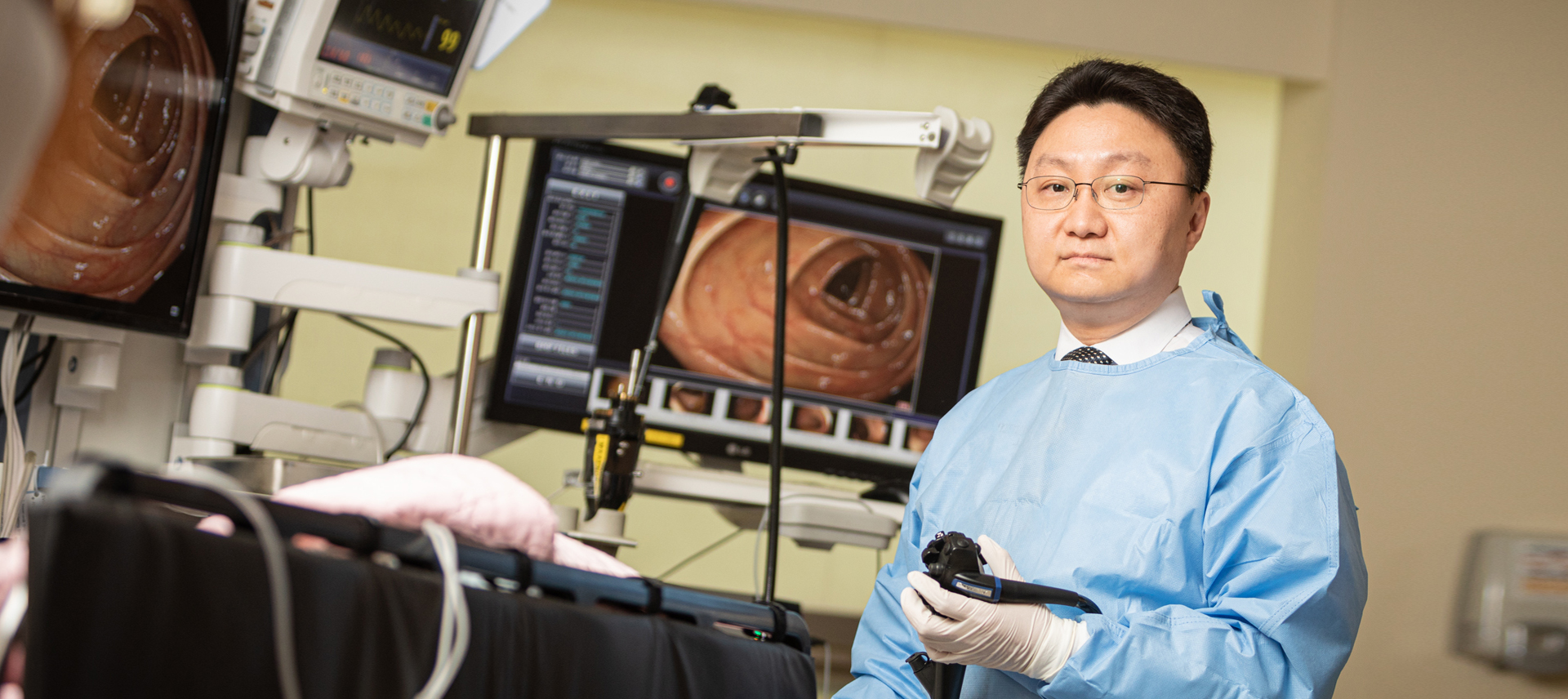









Disease Description (Causes and Symptoms)
- Definition: Gastric adenoma is an adenomatous polyp arising from the gastric mucosa. It is classified as low-, intermediate-, or high-grade dysplasia according to changes in cell appearance (dysplasia).
- Pathophysiology (brief): It develops when normal gastric mucosa changes into an adenomatous (dysplastic) form due to chronic inflammation or repeated irritation. Helicobacter pylori (H. pylori) infection and long-term damage to the gastric mucosa may be associated.
- Main symptoms: Most cases are asymptomatic. Rarely, patients may report bleeding, upper abdominal discomfort, or indigestion.
- Key diagnostic point: After observing the lesion during upper gastrointestinal endoscopy (UGI endoscopy), a biopsy must be performed to determine the degree of dysplasia and whether cancer is present.
Treatment Methods
- Basic principle: Removal is recommended because of the possibility of malignancy (cancer). The treatment method is determined according to the size of the lesion and the degree of dysplasia.
- Endoscopic treatment (standard):
- Endoscopic mucosal resection (EMR): Mainly used for relatively small lesions confined to the surface.
- Endoscopic submucosal dissection (ESD): Preferred when the lesion is large or histological diagnosis and complete resection are required. It has a high complete-resection rate, but the procedure takes longer and has relatively higher risks of complications (bleeding and perforation).
- Surgical treatment:
- If complete endoscopic resection is not possible or an invasive cancer is confirmed on biopsy, surgical resection such as partial gastrectomy may be necessary.
- Medication and adjunctive treatment:
- If H. pylori infection is confirmed, eradication therapy may be considered (it has a limited direct effect on removing the adenoma but may reduce long-term risk).
- Separate anticancer drugs are not used for the adenoma itself (cancer treatment principles apply if invasive cancer is confirmed).
- Lifestyle management and precautions:
- You must inform your doctor whether you are taking anticoagulants or antiplatelet agents before and after endoscopic procedures (discontinuation or adjustment may be necessary).
- If abnormal symptoms such as bleeding, abdominal pain, or fever occur after the procedure, visit a medical institution immediately.
- Risk of complications:
- Procedure-related: Bleeding, perforation, infection, and anesthesia-related problems.
- Long-term: If not removed, the lesion may progress to cancer (the risk increases according to its size and degree of dysplasia). According to the provided data, more than 40% of all gastric adenomas are accompanied by a cancerous focus; the reported frequency of cancer is less than 5% when the lesion diameter is 2 cm or less, and 24–55% when it is 2 cm or larger.
Checklist Before an Outpatient Visit (Including Example Questions)
- Items/documents to prepare:
- A list of all medications currently being taken (including prescription drugs, over-the-counter medicines, and supplements) and the times they are taken
- Copies of previous medical certificates, surgical records, recent endoscopy images, and biopsy (pathology) results, if available
- History of allergies and chronic diseases (such as heart disease, diabetes, and kidney disease)
- Symptom-related records:
- When symptoms began and how they have changed (pain, bleeding [black stools/bloody stools], weight changes, etc.)
- Changes in symptoms related to meals
- Special checks before the procedure:
- Whether you are taking anticoagulants or antiplatelet agents (e.g., warfarin, aspirin, clopidogrel, etc.) — discontinuation or adjustment may be necessary before endoscopic procedures
- Whether you have any blood-clotting disorders
- Situations to inform the doctor about in advance when visiting:
- Possibility of pregnancy, recent infection, or fever
- Examples of materials/questions to show or ask the doctor during the consultation:
- “Please review the results of my recent endoscopy and biopsy.”
- “Do I need to postpone the procedure because of the medications I am currently taking?”
General Example Questions to Ask the Doctor
- “What are the biopsy results for my lesion (low-, intermediate-, or high-grade dysplasia)?”
- “Does this lesion need to be removed immediately, or can it be monitored? What management method do you recommend?”
- “Do you recommend EMR or ESD? What are the advantages and disadvantages and the risks of complications of each?”
- “What precautions should I take regarding medications or eating before and after the procedure?”
- “What should be the interval for follow-up endoscopy (when should I have a repeat examination) after treatment?”
- “If this lesion is diagnosed as cancer, what will the next treatment plan be?”
Examples of Disease-Specific Questions
- “Based on the size of my adenoma and the biopsy results (degree of dysplasia), do you recommend immediate endoscopic resection? Under what conditions is observation possible?”
- “If cancer is found to be present in the lesion, will additional tests (such as CT or endoscopic ultrasound) or surgical treatment be necessary? If so, what treatment process and prognosis should I expect?”