
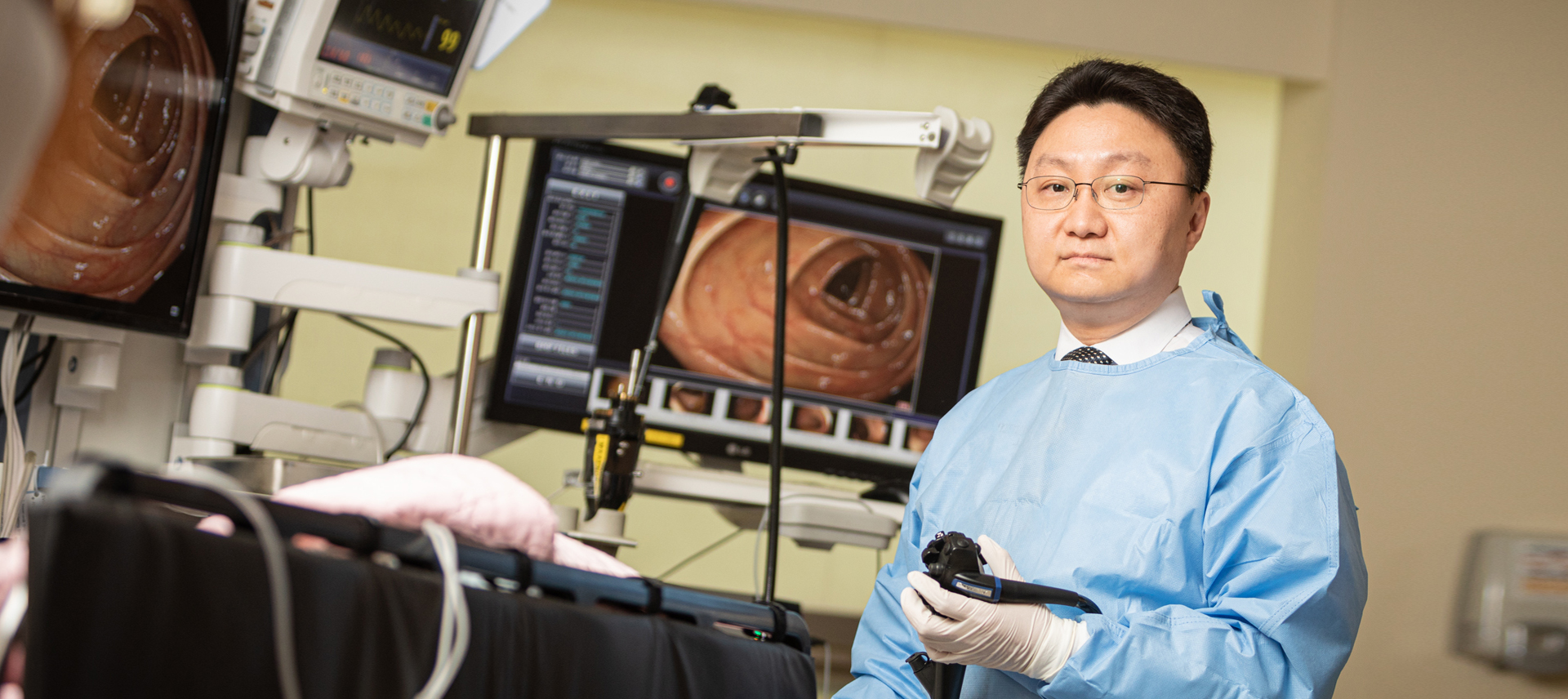









Disease Description (Causes and Symptoms)
- Definition: A condition in which inflammation develops in the duodenal mucosa (duodenitis). It may be classified as paroxysmal, erosive, or associated with gastric metaplastic changes.
- Major causes and pathophysiology: Associated with excessive gastric acid, Helicobacter pylori infection, use of nonsteroidal anti-inflammatory drugs (NSAIDs), smoking, alcohol consumption, irregular eating habits, severe trauma, surgery, and stress. An imbalance between gastric acid and mucosal defense mechanisms causes mucosal damage and triggers inflammation.
- Major symptoms: Heartburn, indigestion, upper abdominal pain or pressure, nausea and vomiting, loss of appetite, belching, abdominal bloating, and fever (when accompanied by infection). In severe cases, bleeding (hematemesis or melena) or extreme abdominal pain (suggesting possible perforation) may occur.
Treatment Methods
- General principles after diagnosis
- If Helicobacter pylori is positive, eradication therapy is administered (the regimen is selected based on local antibiotic resistance and the physician’s judgment).
- Relieve symptoms and promote healing by suppressing gastric acid secretion and protecting the mucosa.
- Drug treatment
- Gastric acid secretion inhibitors: Proton pump inhibitors (PPIs; e.g., the omeprazole class) are recommended as the first choice. H2 blockers may be considered if necessary.
- Antacids: Helpful for short-term symptom relief.
- Mucosal protectants: Such as sucralfate, used when determined appropriate by a physician.
- Helicobacter pylori eradication therapy: Combination therapy with a PPI and antibiotics (e.g., PPI + amoxicillin + clarithromycin) or bismuth-containing quadruple therapy, adjusted according to local resistance rates. Appropriate testing before and after treatment is needed to confirm whether treatment was successful.
- Non-drug treatment and lifestyle management
- Limit irritating foods (spicy foods, foods high in fat, and very hot or cold foods), alcohol, cigarettes, and caffeinated beverages.
- Reduce the burden on the stomach by eating small, regular meals (small amounts 5–6 times a day).
- Stop or replace NSAIDs (pain relievers and anti-inflammatory drugs) if possible; consult a physician if their use is unavoidable.
- Manage stress and get adequate rest and sleep.
- Precautions, risk of complications, and self-care considerations
- If left untreated without medical care, recurrent inflammation over several weeks may progress to a duodenal ulcer or gastric ulcer, with a risk of emergency complications such as bleeding and perforation.
- During antibiotic treatment, monitor for drug allergies and side effects (such as vomiting and diarrhea).
- With long-term PPI use, follow the physician’s instructions after considering possible effects on vitamin and mineral absorption and the risk of long-term side effects.
- If symptoms worsen (melena, hematemesis, extreme abdominal pain, fever, or rapid weight loss), immediate emergency medical care is necessary.
Checklist Before an Outpatient Visit (Including Sample Questions)
- Items and information to prepare
- A list of all medications currently being taken (including prescription drugs, over-the-counter medicines, herbal medicines, and nutritional supplements), along with the dosage and frequency.
- Copies of previous gastrointestinal test results (upper gastrointestinal endoscopy, Helicobacter pylori tests, etc.), if available.
- Records of when symptoms began, factors that worsen or improve them, their relationship to meals, and weight changes.
- Notes on whether there is bloody stool, melena, or vomiting (including blood), whether there is a fever, and the nature of the pain (location, severity, and duration).
- A history of allergies (especially to antibiotics, PPIs, etc.).
- Items worth checking in advance at the outpatient visit (self-check)
- Whether NSAIDs (e.g., ibuprofen, aspirin, etc.) have recently been taken.
- Frequency and amount of smoking and alcohol consumption.
- History of previous Helicobacter pylori eradication treatment, if any, including which medications were used.
- Sample questions (can be used directly during the consultation)
- "Are there any of the medications I am currently taking that I should stop?"
- "Do I need a Helicobacter pylori test and eradication treatment?"
- "When should I go to the emergency room if my symptoms worsen?"
General Sample Questions to Ask the Doctor
- What are the expected side effects of this medication, and how should I respond if side effects occur?
- If the Helicobacter pylori test is positive, which eradication therapy do you recommend? How will we confirm whether treatment was successful?
- How long should I receive PPI treatment? What should I be careful about during long-term use?
- What should I be careful about in daily life (meals, exercise, and work duties)?
Disease-Specific Sample Questions
- Regarding Helicobacter pylori testing: "Should I undergo a Helicobacter pylori test? Which test (breath test, stool antigen test, biopsy, etc.) is appropriate?"
- Regarding medication and lifestyle: "I need to continue using NSAIDs. Do I need an alternative medication or protective measures (e.g., taking a PPI together with it)?"