
-
Disease Description (Causes and Symptoms)
- Definition: Brain death is a state in which all brain functions, including those of the cerebrum and brainstem, have been completely and irreversibly lost. It is an irreversible state with no possibility of recovery of the nervous system. It is legally considered death.
- Main causes: Severe trauma (head injury, traffic accidents), cerebral hemorrhage or cerebral infarction (stroke), severe hypoxia or asphyxia, severe intracranial hemorrhage, progressive brain tumors, etc.
- Pathophysiology: Extensive ischemia and compression of brain tissue lead to the loss of neuronal and brainstem function, resulting in cessation of spontaneous breathing, loss of brainstem reflexes, hormonal regulation disorders (such as diabetes insipidus caused by hypothalamic or pituitary damage), and other conditions.
- Main symptoms and clinical findings: Severe coma (no response at all to external stimuli), loss of spontaneous breathing (apnea), dilated and fixed pupils, loss of brainstem reflexes (pupillary reflex, eye movements, cough reflex, etc.), hemodynamic instability, low body temperature, electrolyte abnormalities, diabetes insipidus, etc.
-
Treatment Methods
- There is no treatment for fundamental recovery (irreversible). The purposes of treatment are organ preservation and support for the patient and family.
- Intensive care (supportive treatment)
- Maintaining mechanical ventilation: Maintaining oxygenation and ventilation.
- Hemodynamic support: Maintaining adequate blood pressure and perfusion with fluids and vasopressors (such as dopamine and norepinephrine).
- Temperature management: Preventing hypothermia and maintaining normal body temperature.
- Electrolyte and metabolic management: Controlling sodium and potassium and maintaining acid-base balance.
- Treatment of diabetes insipidus: Fluid replacement and, when necessary, use of desmopressin (DDAVP).
- Hormone replacement (considered for organ preservation): Thyroid hormones, steroids, and other treatments may be used (with the purpose of optimizing organ function in the event of organ donation).
- Diagnostic tests (part of brain death determination)
- Clinical assessment: Confirming a clear cause, excluding contraindications (excluding the effects of body temperature, electrolyte abnormalities, and medications), assessment by two or more specialists (including a neurologist), and review by the brain death determination committee.
- Apnea test (apnea testing).
- Ancillary tests (when the clinical assessment is insufficient or apnea testing cannot be performed): Electroencephalography (EEG), cerebral blood flow tests (cerebral blood flow scans, CT or MR angiography, nuclear medicine perfusion tests), transcranial Doppler, etc.
- Long-term management and ethical procedures
- After brain death has been determined, organ donation may be considered (according to legal and ethical procedures).
- Psychosocial support and counseling are provided to the patient and family.
-
Checkpoints Before an Outpatient Visit (Including Example Questions)
- Items to prepare and points to confirm
- The patient’s identification and medical records (hospitalization and surgical records, and copies of imaging and test results if possible).
- A list of medications currently being taken (including anticoagulants and sedatives) and the time of the most recent doses.
- The patient’s existing medical history (cardiovascular disease, coagulation disorders, endocrine abnormalities, etc.).
- The family’s contact information and information about the legal representative, and whether an advance medical directive or organ donation intention has been expressed (such as a donor sticker or registration card).
- The time of symptom onset and progression (record the times).
- Specific points to confirm before an outpatient visit
- If the patient is hospitalized and receiving intensive care for a brain injury, the process will proceed through inpatient and emergency procedures rather than as an outpatient visit.
- Prepare for decision-making regarding organ donation (consent to family counseling and consideration of cultural and religious factors).
- Example questions (questions for the patient or caregiver to prepare before an outpatient or hospital visit)
- "Are any of the medications recently administered capable of affecting the determination of brain death?"
- "How can we confirm whether the advance medical directive (organ donation registration) is valid?"
- Items to prepare and points to confirm
-
General Example Questions to Ask the Doctor
- "What is the process for determining brain death (required tests, time required, and determination criteria)?"
- "How can you be certain that there is absolutely no possibility of recovery given the patient’s current condition?"
- "If we decide to donate organs, what are the procedures and what is the family’s role?"
- "How long will intensive care be maintained, and what are the legal and ethical procedures related to discontinuing treatment?"
-
Examples of Disease-Specific Questions
- "Which tests, among the apnea test and ancillary tests (for example, cerebral blood flow tests and EEG), apply to our situation? What are the risks of the tests?"
- "If organs are donated, which organs can be donated, and what additional treatments (such as hormone replacement) will be provided to preserve the organs after donation?"
Brain death
Also known as: 뇌사
Add to My conditionsNeurosurgery doctors
Doctors who treat Brain death
See all
Kang Ho
Seoul National University Bundang Hospital · Neurosurgery
뇌종양, 교모세포종(신경교종), 전이성뇌종양, 뇌수막종, 신경초종, 감마나이프 (제외질환: 지주막 낭종(arachnoid cyst)), 소아 신경외과(소아뇌종양 및 뇌전증수술)
Jang Ji-hwan
Sungkyunkwan University Samsung Changwon Hospital · Neurosurgery
뇌혈관질환, 뇌혈관 내 수술(뇌졸중), 두통, 두부외상, 모야모야
Park Gi-su
Kyungpook National University Hospital Chilgok · Neurosurgery
뇌종양, 뇌내시경수술, 뇌하수체질환, 수두증, 두부외상

Cho Gwang-uk
Bucheon St. Mary's Hospital, Catholic University of Korea · Neurosurgery
뇌종양,뇌혈관질환(뇌경색,뇌출혈),소아신경외과,기능성신경외과,외상,두통,어지럼증
Kim Il-seop
St. Vincent's Hospital, Catholic University of Korea · Neurosurgery
척추질환(경추, 요추 디스크, 협착증, 척추종양, 척추 수술후 증후군), 척추외상, 말초신경질환

Lee Jong-ju
Kangbuk Samsung Hospital · Neurosurgery
척추외상, 퇴행성척추질환(척추협착증, 디스크), 척추변형, 척추 및 척수 종양
Park Hyeong-gi
Soonchunhyang University Seoul Hospital · Neurosurgery
척추질환, 말초신경질환, 두부외상, 통증, 사이버나이프 방사선수술
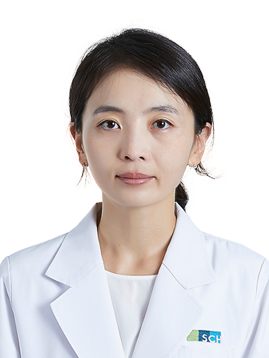
Park Hye-ran
Soonchunhyang University Seoul Hospital · Neurosurgery
정위기능신경외과, 파킨슨병 및 이상운동질환, 두부외상, 일반 신경외과 질환, 두통, 뇌출혈, 수두증
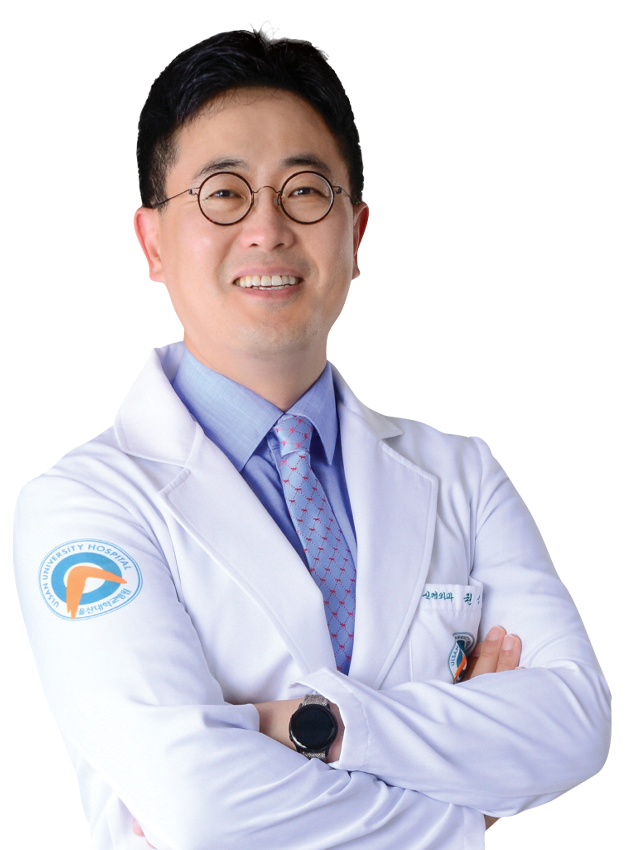
Kwon Sun-chan
Ulsan University Hospital · Neurosurgery
신경계 혈관질환 및 혈관내 수술,척추신경외과
Nam Taek-min
Ewha Womans University Mokdong Hospital · Neurosurgery
뇌혈관질환, 뇌혈관 내 수술(신경중재 치료), 두부외상
Patient stories: Brain death
Hospitals that treat Brain death
University hospitals where the doctors above see patients. Open a hospital to see its doctors by specialty and how to book.
Soonchunhyang University Seoul Hospital
Park Hyeong-gi, Park Hye-ran
Bucheon St. Mary's Hospital, Catholic University of Korea
Cho Gwang-uk
St. Vincent's Hospital, Catholic University of Korea
Kim Il-seop
Kangbuk Samsung Hospital
Lee Jong-ju
Seoul National University Bundang Hospital
Kang Ho
Sungkyunkwan University Samsung Changwon Hospital
Jang Ji-hwan
Ulsan University Hospital
Kwon Sun-chan
Ewha Womans University Mokdong Hospital
Nam Taek-min
Kyungpook National University Hospital Chilgok
Park Gi-su
Other conditions in Neurosurgery
Condition guideReviewed by · GoodDoctorNet medical specialists
This information is for general understanding only and does not replace diagnosis, prescription or treatment for an individual patient. If you have symptoms, please see a doctor.
Our medical content policy (in Korean) →