This page was machine-translated from Korean. For medical decisions, please confirm with the hospital.View in Korean

Cerebral arteriovenous malformation

Korean name: 뇌 동정맥 기형

Videos about Cerebral arteriovenous malformation

Selected from official university hospital channels and specialist doctors' channels (in Korean).

동정맥기형의 증상, 진단 및 치료 / 삼성서울병원 영상의학과 이상엽

Specialist의학채널 비온뒤

9,823 views

[가천대 길병원] 젊은 사람 뇌출혈의 10명 중 3명은 '뇌혈관기형'(가천대 길병원 신경외과 최대한)

Specialist의학채널 비온뒤

9,238 views

갑자기 두통과 간질(전간발작)이 일어나면 꼭 치료 받아야하는 이유?!🤦‍♀️

Public agency내귀에닥터

435 views

풍선처럼 부풀어오르는 뇌동맥류! 의심 증상은 무엇이고 치료는 어떻게 하나요?

Official hospital부산대학교병원

2,834 views

뇌혈관 기형 환자&보호자가 꼭 봐야 할 영상ㅣ[닥터트루스2] EP.13

Official hospital삼성서울병원

13,376 views

혈관이 찢어지고 터지게 되어 뇌출혈과 뇌경색을 유발할 수 있어 꼭 알고 있어야하는 이 증상!ㅣ동맥박리

General대한뇌졸중학회 Korean Stroke Society

3,997 views

선천성 뇌혈관기형의 치료 비법! | 서울대병원 조원상 교수 #건강톡톡 EP.280

Official hospital서울대병원tv

17,190 views

급성 뇌경색 / 초기증상 & 전조증상

Official hospital길병원TV

98,952 views

[PEOPLE in 세브란스] 몸이 보내는 뇌동맥류 신호 두 가지!

Official hospital세브란스

133,558 views

선천적인 뇌의 폭탄, 뇌동정맥 기형 | 서울대병원 조원상 교수 #건강톡톡 EP.279

Official hospital서울대병원tv

15,598 views

“'이 증상' 있다면 이미 뇌졸중은 시작됐다" 두통도 이명도 아닙니다! 뇌졸중 직전, 마지막 돌연사 신호! ‘절대’ 그냥 넘기지 마세요 (서울대병원 이승훈 교수)

General건강의 신

5,375,365 views

일반 두통이 아닌 뇌동맥류 파열 신호입니다. 뇌동맥류 치료와 예방법까지ㅣ김용배 세브란스병원 신경외과 [세브란스와 함께하는 뇌 건강 지키기ㅣ뇌동맥류]

Public agency조선일보 의학·건강

796,710 views

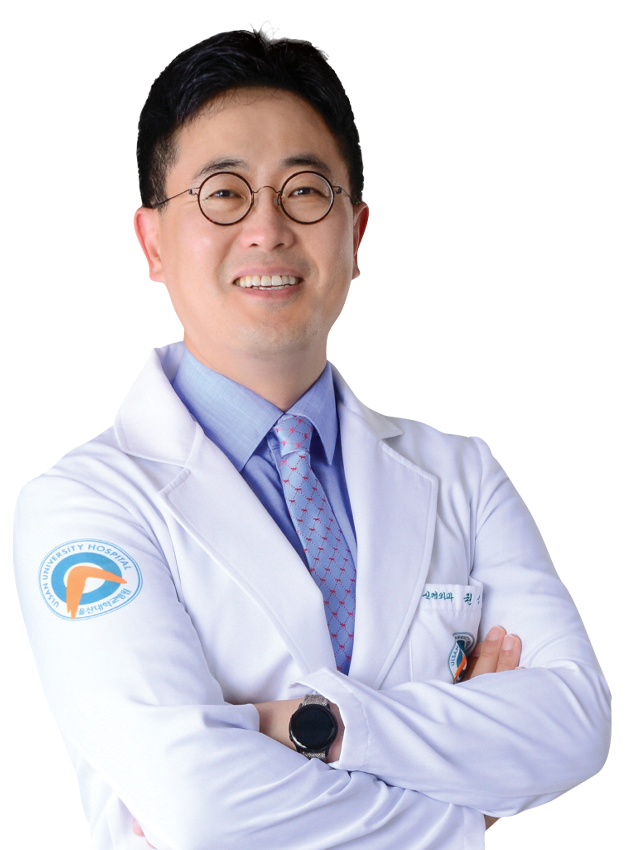
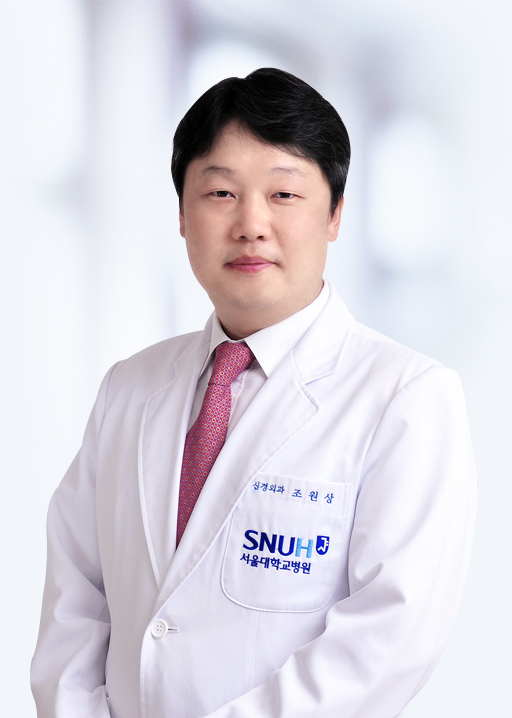
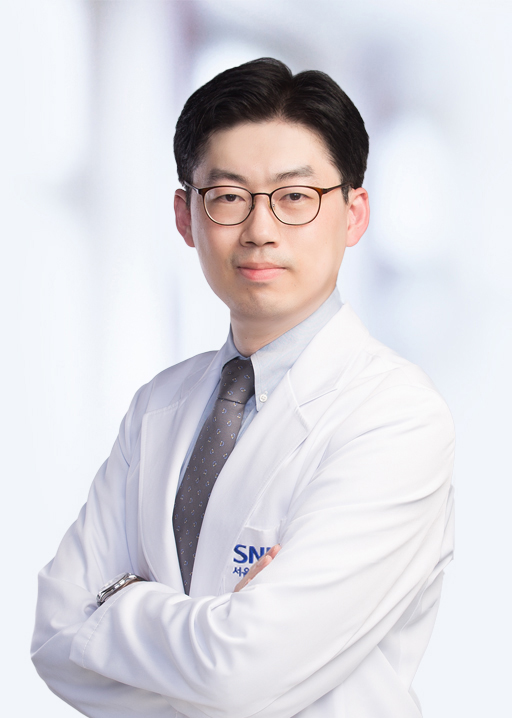
Doctors who treat Cerebral arteriovenous malformation

Disease Description (Causes and Symptoms)

  • Definition/Pathophysiology: This is a disease in which the capillary network that should normally exist between the arteries and veins in the brain is absent, resulting in the formation of a cluster of blood vessels (nidus) that directly connects the arteries to the veins. It consists of feeding arteries, a nidus, and draining veins; high-pressure arterial blood is directly transmitted to the veins, increasing the risk of bleeding.
  • Cause: It is usually congenital, although changes or onset in adulthood have rarely been reported.
  • Main symptoms: Headache, migraine, seizures (epilepsy), focal neurological deficits (such as paralysis and speech impairment), pulsatile tinnitus (vascular bruit), and acute neurological symptoms caused by cerebral hemorrhage. Symptoms vary depending on the size, location, characteristics of the draining veins, and history of hemorrhage.
  • Risk of hemorrhage: The annual rupture rate is generally reported to be approximately 2–4%; the risk of rebleeding is higher in people with a history of prior hemorrhage.

Treatment Methods

  • General principles: Depending on the lesion’s size, location, anatomy, the patient’s age, and symptoms (such as a history of hemorrhage or seizures), a multidisciplinary team (neurosurgery, endovascular, and radiosurgery teams) develops an individualized treatment plan.
  • Main treatment options
    • Microsurgery (complete resection through craniotomy): It produces excellent results as a curative treatment when the lesion is superficial and has a low Spetzler‑Martin grade (small and located in a nonfunctional area).
    • Endovascular embolization: An embolic material is used to occlude the feeding artery or nidus. Cases that can be cured with this alone are limited, and it is often used as an adjunctive treatment before surgery or radiosurgery.
    • Stereotactic radiosurgery (e.g., Gamma Knife, LINAC): Suitable for small niduses (generally 3 cm or less), it gradually induces vascular occlusion over several months to several years. Complete occlusion takes time, and the risk of hemorrhage remains during that period.
    • Conservative management (observation): Considered when the patient is asymptomatic, the risk of rupture is low, or the risks of treatment are high.
  • Medication and symptom management
    • Anticonvulsants: Used to control seizures. There is no curative medication for the lesion itself.
    • Blood pressure management: Managing hypertension to control the risk of hemorrhage.
    • Symptomatic treatment, including pain and headache management.
    • Whether to use anticoagulants or antiplatelet agents should be decided carefully by considering the risk of hemorrhage and other underlying diseases—do not start or stop them without medical advice.
  • Possible complications: Hemorrhage, neurological deficits, recurrence or subsequent hemorrhage caused by a residual nidus after surgery, embolization, or radiosurgery, and radiation necrosis.
  • Precautions (self-care)
    • Follow the designated treatment plan, and consult your attending physician about whether to take anticoagulants or antiplatelet agents.
    • Manage vascular risk factors such as hypertension, smoking, and excessive alcohol consumption.
    • If you have a history of seizures, discuss lifestyle guidelines with your doctor, including restrictions on driving and high-risk work.

Checklist Before an Outpatient Visit (Items to Bring and Sample Questions)

  • Items to bring
    • A list of medications currently being taken (including dosage and administration times)
    • Copies of previous test results: CT, MRI, MRA, and cerebral angiography (DSA) image files (USB) or radiology reports
    • A record of recent changes in symptoms (seizure frequency and type, headache characteristics, newly occurring neurological symptoms, etc.)
    • Medical history (history of hemorrhage, surgical and anesthesia history), family history, and allergies (especially to contrast media)
    • For women, whether pregnancy is possible or planned
  • Important information to tell the doctor in advance at the outpatient visit
    • Symptoms that have suddenly worsened recently (what the symptoms are and when they began)
    • Whether anticoagulants or antithrombotic agents are being taken
    • Details of seizures (whether loss of consciousness occurred, duration, and aura symptoms)

Examples of General Questions to Ask the Doctor

  • "Why does my AVM need to be treated, and what are the expected risks if it is not treated?"
  • "What treatment options are available in my situation, and what are the benefits and risks of each (hemorrhage, neurological injury, and recurrence rate)?"
  • "What is the expected recovery period after surgery or a procedure, and when can I expect to return to daily activities?"
  • "What medication do you recommend for seizure control, and what are its main side effects?"
  • "I am planning a pregnancy; how should my AVM be managed if I have one?"

Examples of Disease-Specific Questions

  • "What is the Spetzler‑Martin grade of my AVM, and specifically how does that grade affect the treatment decision?"
  • "Considering the location, size, and characteristics of the draining veins of my AVM, what is the estimated annual rupture risk, and do you recommend active treatment even if I have no history of hemorrhage?"

Hospitals that treat Cerebral arteriovenous malformation

University hospitals where the doctors above see patients. Open a hospital to see its doctors by specialty and how to book.

Other conditions in Neurosurgery

Conditions

Frequently asked questions

Which specialty treats Cerebral arteriovenous malformation?
Cerebral arteriovenous malformation is usually treated in Neurosurgery.
Which doctors in Korea treat Cerebral arteriovenous malformation?
University hospital doctors who treat Cerebral arteriovenous malformation include Jang Ji-hwan, Cho Gwang-uk, Lim Sang-hyeok and Koo Ja-seong.
Find Neurosurgery doctors

Reviewed by · GoodDoctorNet medical specialists

This information is for general understanding only and does not replace diagnosis, prescription or treatment for an individual patient. If you have symptoms, please see a doctor.

Our medical content policy (in Korean) →