This page was machine-translated from Korean. For medical decisions, please confirm with the hospital.View in Korean

Headache

Korean name: 두통

Videos about Headache

Selected from official university hospital channels and specialist doctors' channels (in Korean).

바쁜 현대인의 질병 '두통'…원인과 치료법은? / YTN 사이언스

Public agencyYTN 사이언스

4,787 views

지긋지긋한 편두통에서 해방되고 싶다면? [숫자로 보는 건강]

Official hospital분당서울대학교병원

123,019 views

두통, 원인을 파악하는 것이 중요합니다!

Official hospital강동성심병원

1,298 views

극심한 고통을 부르는, 군발두통의 2가지 증상 | 건강톡톡 Ep.308

Official hospital서울대병원tv

19,508 views

🤯 누구나 흔하게 겪는 두통, 하지만 '이런 두통'은 굉장히 위험합니다! 당장 응급실 가야하는 '3가지 두통' 증상🧠💥 신경과 김민 교수 [아주대병원TV]

Official hospital아주대병원TV

22,547 views

단순 두통 아닌 뇌종양 증상 3가지 [숫자로 보는 건강]

Official hospital분당서울대학교병원

149,341 views

바쁜 현대인의 질병 '두통'…원인과 치료법은? / YTN

Public agency YTN

9,522 views

왼쪽 두통과 오른쪽 두통의 차이는?! 편두통이 생기는 원인과 단계 | 건강톡톡 Ep.306

Official hospital서울대병원tv

41,922 views

[PEOPLE in 세브란스] 위험한 두통 신호 바로 감별하는 법

Official hospital세브란스

759,209 views

두통, 누구나 겪지만 '이런 증상'은 꼭 병원 방문하세요 | hihy 건강저장소 TV

Official hospital한양대학교병원

201,203 views

[EBS 명의] 뇌의 경고, 두통

Public agencyEBS

100,415 views

강북삼성병원 [두통 건강강좌] 지긋지긋한 두통의 원인! 바로 이것!

Official hospital강북삼성병원

17,469 views

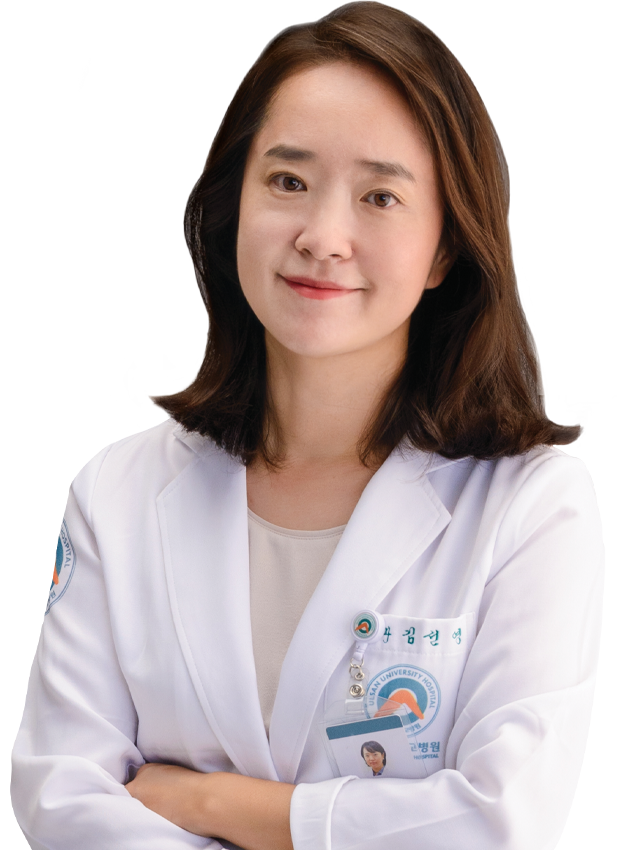
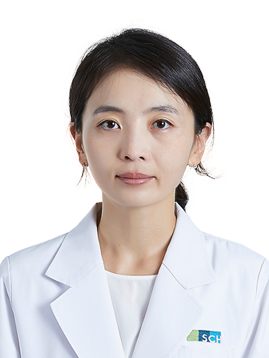
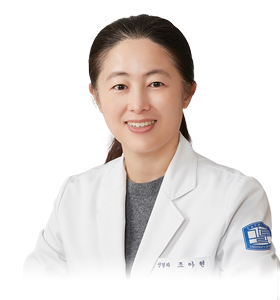
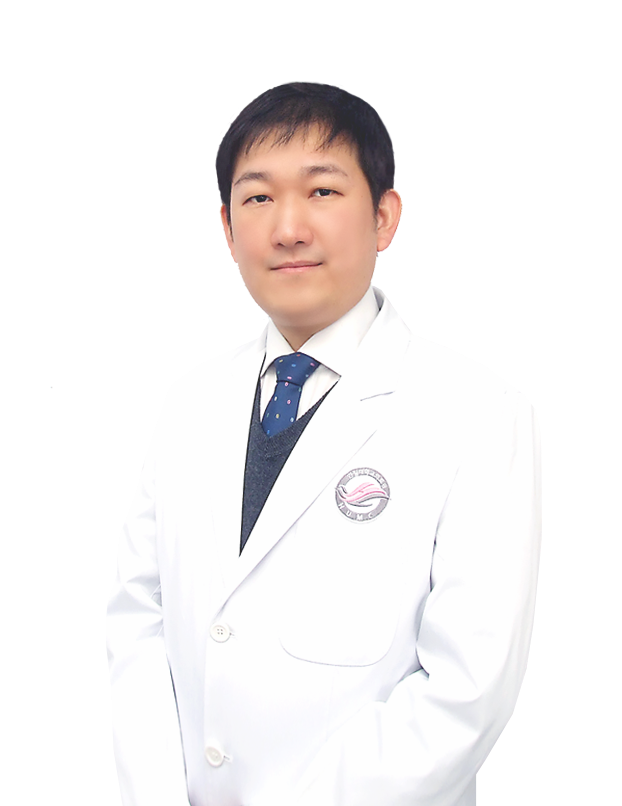
Doctors who treat Headache

Disease Description (Causes and Symptoms)

  • Definition summary: Headache is pain in the head and is divided into primary headache of unknown cause (e.g., migraine, tension-type headache, and cluster headache) and secondary headache caused by a specific disease (e.g., cerebral hemorrhage, brain tumor, meningitis, and metabolic diseases).
  • Main pathophysiology (briefly):
    • Primary headache: Activation of the trigeminal-autonomic vascular system, chemical and neurological changes in cerebral blood vessels and surrounding structures (in the case of migraine, tripexin administration, inflammatory mediators, etc.), and excessive tension of muscles and ligaments (tension-type headache).
    • Secondary headache: Structural or systemic problems such as cerebral blood vessel rupture, inflammation (meningitis, encephalitis), increased intracranial pressure caused by a tumor, and metabolic or toxic abnormalities.
  • Common symptoms:
    • Pain characteristics: Pressure or tightness (tenderness), throbbing pain, heavy-feeling eyes or pain around the eyes, and symptoms related to increased intracranial pressure (vomiting, severe pain in the morning).
    • Associated symptoms: Nausea and vomiting, sensitivity to light and sound (migraine), fever and neck stiffness (meningitis), and altered consciousness or focal neurological deficits (cerebral hemorrhage, tumor, etc.).
  • Warning signs (requiring emergency evaluation):
    • Sudden, extremely severe “thunderclap” headache, altered consciousness, visual abnormalities/visual impairment, focal paralysis or sensory abnormalities, persistent high fever or neck stiffness, a new seizure, first occurrence after age 50, use of anticoagulants, or a history of cancer or HIV.

Treatment Methods

  • Principles: Treatment varies depending on whether the cause is primary or secondary after the cause has been identified. If a secondary cause is confirmed, treatment of the underlying disease takes priority (e.g., antibiotics, surgery, hemostasis).
  • Treatment of primary headache
    • Acute phase (symptom relief)
      • General analgesics: Acetaminophen, NSAIDs (ibuprofen, naproxen, etc.).
      • Migraine-specific treatment: Triptans (sumatriptan, etc.); antiemetics (metoclopramide, etc.) may be used in combination during migraine attacks.
      • Cluster headache: High-concentration oxygen inhalation (100% oxygen), subcutaneous sumatriptan (as needed).
    • Prevention (depending on the frequency and severity of recurrence)
      • Medications: Beta blockers (propranolol, etc.), antidepressants (amitriptyline), anticonvulsants (topiramate, valproic acid), calcium channel blockers (verapamil in the case of cluster headache), etc.
      • Nonpharmacological treatment: Sleep and stress management, regular meals and hydration, exercise, biofeedback, and cognitive behavioral therapy.
  • Treatment of secondary headache
    • Infectious causes (meningitis, encephalitis): Prompt administration of antibiotics or antiviral drugs; hospitalization and intensive care when necessary.
    • Hemorrhagic diseases (subarachnoid hemorrhage, intracerebral hemorrhage): Emergency imaging (CT) followed by neurosurgical intervention (e.g., hemostasis, hematoma removal) and intracranial pressure management (head elevation, osmotherapy, etc.).
    • Tumors: Tumor treatment such as surgery, radiation therapy, or anticancer treatment takes priority.
    • Metabolic disorders, drug poisoning, etc.: Correction of the cause (electrolyte correction, detoxification, etc.).
  • Emergency and interventional treatment
    • In cases of severe increased intracranial pressure: Head elevation, securing the airway and breathing, osmotic diuretics (mannitol), and surgical decompression when necessary.
  • Precautions and risk of complications
    • Excessive use of acute analgesics may cause medication-overuse headache (functional chronic headache) — use them for a short period and according to guidance.
    • Undiagnosed secondary headache can cause serious complications such as permanent neurological deficits, seizures, and death; therefore, visit a medical institution immediately if warning signs occur.
    • Chronic headache may reduce quality of life through depression, anxiety, loss of work, and other effects.

Outpatient Visit Checklist (Including Example Questions)

  • Items to prepare
    • A list of all medications currently being taken (including prescription drugs, OTC drugs, herbal medicines, and nutritional supplements)
    • Copies of previous test results, if possible (CT or MRI images or reports, cerebrospinal fluid test results, etc.)
    • Symptom diary (headache diary): Date and time of onset, duration, pain characteristics (pressure/throbbing), intensity (0–10), triggers, associated symptoms (vomiting, visual impairment, etc.), medications used and response
    • Basic information: Recent fever or infection symptoms, history of trauma, changes in sleep, caffeine intake, or stress, history of respiratory or cardiovascular disease, and whether anticoagulants are being taken
  • Information useful to tell the doctor during an outpatient visit
    • When the headache began and age at first occurrence
    • The earliest and most recent changes in the pain (gradual worsening, newly developed features)
    • Attack-related or periodic patterns (whether there are prodromal symptoms of migraine, nighttime or early-morning occurrence of cluster headaches, etc.)
    • Whether there has been an emergency room visit or hospitalization
  • Possible tests during an outpatient visit
    • Neurological examination and blood pressure measurement
    • If necessary, brain MRI (generally preferred for excluding primary causes), CT (first choice when acute hemorrhage is suspected), blood tests (inflammation, electrolytes, liver and kidney function), and cerebrospinal fluid examination (when meningitis or subarachnoid hemorrhage is suspected)
  • Example questions (for patients to use during an outpatient visit)
    • “I am showing you my headache diary from the past three months. Does this pattern suggest a primary headache?”
    • “Could the medication I am taking (e.g., an anticoagulant) be related to my headache?”

General Example Questions to Ask the Doctor

  • What are the expected effects and side effects of this medication (acute-phase medication/preventive medication)?
  • Are my symptoms more suspicious for primary or secondary headache? Do I need additional tests (CT/MRI/cerebrospinal fluid examination)?
  • When should I go to the emergency room? (e.g., sudden pain of maximum intensity, changes in consciousness, vision, or movement)
  • What lifestyle changes should I make to reduce recurrence?
  • How should I use pain medication to avoid medication-overuse headache?

Examples of Condition-Specific Questions

  • If migraine is suspected:
    • “Is my headache severe enough that I should start preventive medication for migraine? If I start it, which medication is appropriate for my situation (considering plans for pregnancy, high blood pressure, etc.)?”
  • When there is an acute, severe headache or a new severe headache:
    • “How can I distinguish whether this headache is an emergency situation such as cerebral hemorrhage or subarachnoid hemorrhage? What are the criteria for getting a CT scan immediately?”

Hospitals that treat Headache

University hospitals where the doctors above see patients. Open a hospital to see its doctors by specialty and how to book.

Other conditions in Neurology

Conditions

Frequently asked questions

Which specialty treats Headache?
Headache is usually treated in Neurology.
Which doctors in Korea treat Headache?
University hospital doctors who treat Headache include Jang Ji-hwan, Kim Seon-yeong, Kwon Gyeom-il and Park Hye-ran.
Find Neurology doctors

Reviewed by · GoodDoctorNet medical specialists

This information is for general understanding only and does not replace diagnosis, prescription or treatment for an individual patient. If you have symptoms, please see a doctor.

Our medical content policy (in Korean) →