
-
Disease description (causes and symptoms)
- Definition and pathophysiology: Folliculitis is localized inflammation of the hair follicles (pores) caused by bacteria (especially staphylococci) or chemical and physical irritation. When bacteria penetrate the hair follicles, they cause superficial pustular inflammation; if they invade more deeply, they may leave nodular or cystic lesions, scars, and hair loss. Rarely, progression to bacteremia can lead to systemic infection.
- Main causes: Triggering factors include infection with Staphylococcus epidermidis or Staphylococcus aureus, mechanical irritation such as shaving or plucking hair, chemical irritation from tar, petroleum, paraffin, and similar substances, and reduced immunity (stress, lack of sleep, overwork, and underlying diseases). Environmental causes, such as hot-tub-related Pseudomonas infection, may also occur.
- Main symptoms: Itching and pain, localized redness, small papules and pustules (yellow pus), pus, localized warmth, and sometimes fever, chills, localized lymph-node enlargement, and, in recurrent cases, scarring or localized hair loss.
-
Treatment methods
- General principles: Treatment varies depending on the depth and extent of the lesions and the causative organism. If a localized abscess is present, incision and drainage are the priority, and culture of the drained material may be performed if necessary.
- Medication therapy
- Topical treatment: Topical antibiotic ointments (e.g., mupirocin), antimicrobial or antifungal shampoos (for scalp lesions), or antimicrobial cleansers (such as chlorhexidine). Topical steroids may help relieve inflammation but can worsen infection, so they should be used after the infection is controlled or as directed by a doctor.
- Systemic antibiotics: Oral antibiotics targeting a broad range of staphylococci (e.g., oxacillin-class or cephalosporin-class antibiotics) may be used. If MRSA is suspected, empirical treatment with trimethoprim-sulfamethoxazole, doxycycline, clindamycin, or other medications may be given, or treatment may be adjusted according to culture results.
- Procedures/surgery: Incision and drainage of a localized abscess may be required, and surgical removal may be necessary for repeatedly recurrent or large nodular lesions.
- Lifestyle management and precautions: Do not scratch or squeeze the affected area; keep razors clean and do not share them; avoid irritants (such as tar and petroleum products); maintain cleanliness to prevent the accumulation of sweat and sebum; and care for wounds after shaving. If the condition is chronic or recurrent, identify and correct the cause, such as shaving habits or hot-tub use.
-
Checklist before an outpatient visit (including example questions)
- Items/information to prepare
- Current medications (including prescription and nonprescription medicines and supplements) and any drug allergies
- When the symptoms started and their course (how long they have lasted and factors that worsen or improve them)
- Location of symptoms (taking photographs is recommended), extent (localized vs. widespread), and presence or absence of fever or systemic symptoms
- Previous treatment history (ointments or antibiotics used, and whether incision and drainage were performed) and its effectiveness
- History of shaving, hair plucking, hot-tub use, or chemical exposure, and risk factors for reduced immunity, such as diabetes or use of immunosuppressants
- Results of previous culture tests or blood tests, if available (bring them with you)
- Examples of materials to show the doctor at the outpatient visit: photographs of the lesions (from multiple angles, with the date and time noted), a list of recently used medications
- Items/information to prepare
-
Examples of general questions to ask the doctor
- "Is a culture test needed for my lesion? What tests will you perform?"
- "What are the side effects of the antibiotic I am being prescribed, and how long should I take it?"
- "When should I go to the emergency room or seek immediate medical care (for example, based on fever or sudden worsening)?"
- "What changes should I make to my usual lifestyle to prevent recurrence?"
-
Examples of disease-specific questions
- "Should a culture be performed on the pus from the pustule in this area to check for possible MRSA? How would treatment differ depending on the result?"
- "Because recurrent folliculitis on my scalp (or face) may cause hair loss or scarring, what treatments or management methods are recommended to reduce scarring and hair loss?"
Folliculitis
Also known as: 모낭염
Add to My conditionsHair Transplantation Center doctors
Doctors who treat Folliculitis
See all
Oh Sin-taek
Daejeon St. Mary's Hospital, Catholic University of Korea · Dermatology
아토피피부염, 피부종양, 여드름, 대상포진, 노인성 질환

Yoo Da-ae
Konkuk University Hospital · Dermatology
피부알레르기(아토피(성인/소아), 두드러기, 소양증), 여드름, 손발톱, 진균질환, 피부미용
Myung Gi-beom
Konyang University Hospital · Dermatology
피부감염, 레이저, 냉동수술, 여드름
Ha Dae-ryong
Kyungpook National University Hospital · Dermatology
주사, 모낭질환, 피부양성종양, 모반(점), 영아혈관종, 대상포진, 생물학제제(건선, 아토피), 피부레이저, 항암특이반응, 피부병리, ※ 월(오전) : 본원 병리, ※ 수(오후) : 칠곡 수술 / 금(오전) : 칠곡 격주 진료, ※ 매월 마지막주 : 본원 진료 휴진

Baek Jin-ok
Gil Hospital, Gil Medical Foundation · Dermatology
접촉성 피부염, 두드러기, 감염성 피부질환, 건선, 레이저
Park Yeong-min
Seoul St. Mary's Hospital, Catholic University of Korea · Dermatology
소아알레르기피부질환(아토피피부염),두드러기,약진,감염성질환

Lee Gyeong-ho
Bucheon St. Mary's Hospital, Catholic University of Korea · Dermatology
아토피피부염, 피부종양, 손발톱질환, 여드름, 주사, 감염성 피부질환
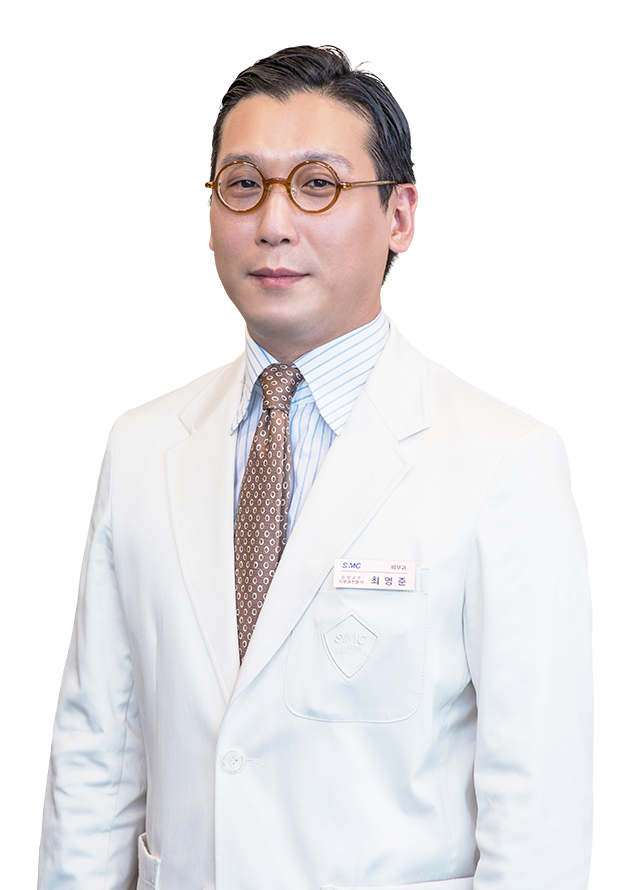
Choi Yeong-jun
Kangbuk Samsung Hospital · Dermatology
피부암(모즈미세도식수술) 및 피부외과수술(양성종양), 흉터(켈로이드), 손발톱질환, 난치성사마귀, 대상포진, 화농성한선염

Lee Seong-yeol
Soonchunhyang University Cheonan Hospital · Dermatology
소아피부질환, 아토피 피부염, 건선, 알러지 접촉피부염, 만성 두드러기, 대상포진

Park Chang-uk
Yonsei University Severance Hospital · Dermatology
아토피피부염,알레르기,피부진균증,피부미용 및 레이저
Patient stories: Folliculitis
Hospitals that treat Folliculitis
University hospitals where the doctors above see patients. Open a hospital to see its doctors by specialty and how to book.
Daejeon St. Mary's Hospital, Catholic University of Korea
Oh Sin-taek
Bucheon St. Mary's Hospital, Catholic University of Korea
Lee Gyeong-ho
Seoul St. Mary's Hospital, Catholic University of Korea
Park Yeong-min
Kangbuk Samsung Hospital
Choi Yeong-jun
Konkuk University Hospital
Yoo Da-ae
Konyang University Hospital
Myung Gi-beom
Kyungpook National University Hospital
Ha Dae-ryong
Soonchunhyang University Cheonan Hospital
Lee Seong-yeol
Yonsei University Severance Hospital
Park Chang-uk
Gil Hospital, Gil Medical Foundation
Baek Jin-ok
Reviewed by · GoodDoctorNet medical specialists
This information is for general understanding only and does not replace diagnosis, prescription or treatment for an individual patient. If you have symptoms, please see a doctor.
Our medical content policy (in Korean) →